Finding the right budget options can be a game changer for anyone looking to save money without sacrificing quality. There are plenty of products and services available at a lower price point that won't break the bank. Start by exploring generic brands at your local grocery store. These options often contain the same ingredients as their name-brand counterparts but at a fraction of the cost. You might be surprised at how well these alternatives perform and the money you'll save over time.
Additionally, consider embracing DIY solutions whenever possible. Whether it's home repairs, beauty treatments, or even meal prep, doing things yourself can lead to significant savings. There are countless online tutorials that can help you tackle projects that you might have otherwise hired a professional for. Not only do you save money, but you gain valuable skills along the way!
Another smart way to save is by taking advantage of sales and discounts. Many retailers offer seasonal sales or clearance events where you can snag items at a fraction of their original price. Signing up for store newsletters can also keep you informed about upcoming promotions. Even using cashback apps and browser extensions can help you save on your everyday purchases.
Lastly, consider utilizing subscription services judiciously. While some premium subscription services can seem enticing, many budget-friendly alternatives provide similar benefits. From streaming services to meal kit deliveries, doing a bit of research can reveal affordable options that won't compromise your enjoyment or lifestyle.
Premium Choices for Quality Seekers
When it comes to making decisions about products, many people find themselves caught between budget options and premium choices. For quality seekers, the allure of premium products is hard to resist. They often offer enhanced features, better performance, and a level of craftsmanship that budget items simply can't match. But is this difference in quality worth the extra cost? Let’s explore some of the premium choices that can benefit quality-conscious consumers.
One popular category where premium choices stand out is electronics. High-end brands offer not only superior performance but also durability that can stand the test of time. Think about smartphones, for instance. While budget models might get the basics right, premium models provide impressive features like high-resolution cameras, faster processors, and extended battery life. For those who rely heavily on their devices for work or entertainment, these enhancements can greatly improve daily experiences.
Another area where premium choices excel is in apparel and footwear. Premium brands focus on the quality of materials and construction, resulting in clothing that feels better, lasts longer, and fits perfectly. This is particularly relevant for items like jackets or shoes, where a sturdy build and comfortable fit can significantly impact one's lifestyle. Investing in a well-made product can mean fewer replacements over time, making the initial expenditure a wise consideration.
Lastly, the culinary world showcases the benefits of premium products beautifully. Premium kitchen tools, like high-quality knives or cookware, can elevate your cooking experience. These items are designed for efficiency and longevity, allowing home chefs to prepare meals with greater ease and confidence. For those who enjoy cooking as a hobby or profession, investing in quality tools not only enhances the cooking process but also results in better end products.
Comparing Value and Performance Today
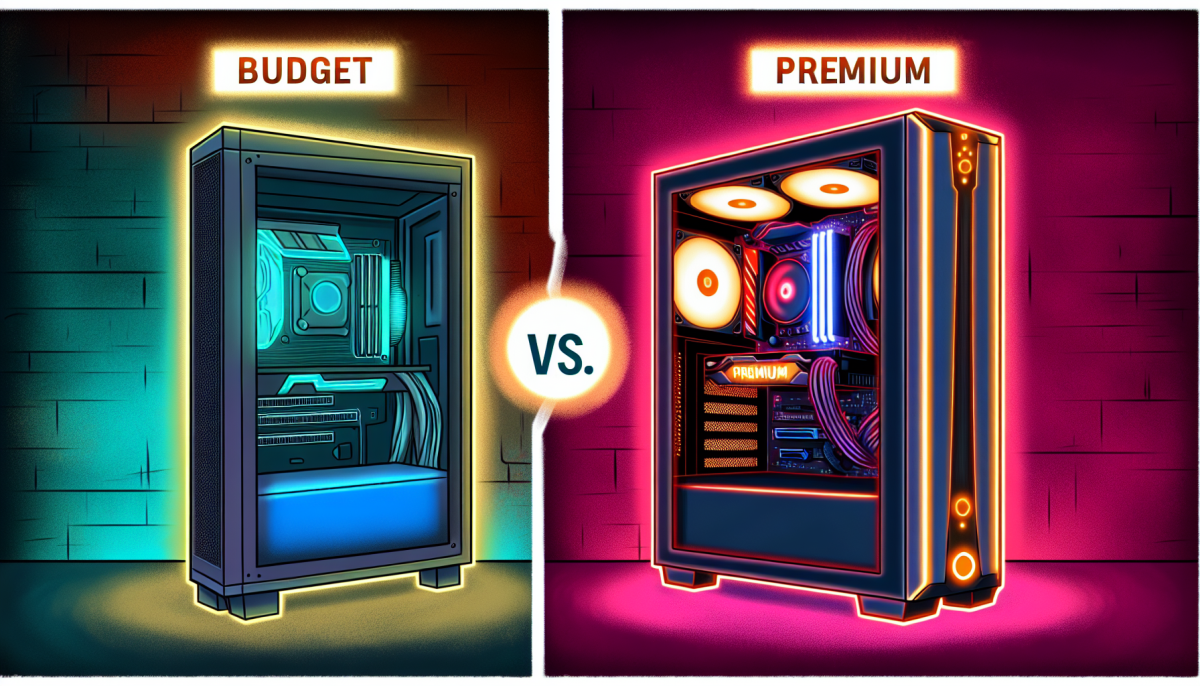
When it comes to choosing between budget and premium options, it's essential to weigh value against performance. In today’s market, many consumers find themselves at a crossroads. Budget products often attract attention with their low prices, but do they deliver the quality and effectiveness needed? Premium items, on the other hand, can be a hefty investment. Understanding the nuances of each category helps make an informed decision.
Budget options are often designed to appeal to a wide audience, making them accessible to those on tight budgets. While they generally serve their purpose, they may come with limitations. For example, a budget smartphone might offer basic features but lack a high-quality camera or advanced processing power. This could affect everyday tasks like photography or multitasking. On the flip side, budget options can provide value through essential features without overwhelming users with extras they may not need.
Premium products, however, are crafted for those seeking superior performance and durability. These items often come packed with advanced technology and superior materials that enhance the user experience. For instance, a premium laptop might include a faster processor, a high-resolution display, and better battery life, which can significantly improve productivity for professional users. Though they often come with a higher price tag, premium products are frequently viewed as long-term investments that can save money in the long run by reducing the need for replacements or repairs.
Ultimately, the choice between budget and premium comes down to personal needs and preferences. Individuals who require functionality without frills may find budget options sufficient, while those looking for the best performance and longevity might lean towards premium products. By understanding the balance between value and performance today, consumers can make choices that best fit their lifestyles and financial situations.
Making Informed Choices for Your Needs
When faced with the decision of choosing between budget and premium options, it’s essential to assess your specific needs and preferences. What might seem like a great deal can quickly turn sour if the product or service doesn’t meet your expectations. Take a moment to ask yourself: What are my priorities? Is quality more important than cost, or do you simply want functionality without the frills?
Start by evaluating how you plan to use the product or service. For instance, if you only need a tool for occasional use, a budget option may be perfectly sufficient. However, if you rely on it daily, investing in a premium version can save you money in the long run by minimizing replacements and repairs. Consider the longevity and reliability that often accompany higher-priced items, as they may outperform their cheaper counterparts.
Another important factor to weigh is customer service and support. Premium products often come with enhanced customer support and warranties. If something goes wrong, having a responsive team behind your purchase can make a world of difference. On the other hand, budget options may leave you in the lurch with limited customer assistance, so think about how much that peace of mind is worth to you.
Lastly, don’t forget to read reviews and do your research. Many consumers share their experiences online, providing valuable insights about durability, performance, and service. By gathering information from others, you can better gauge whether a premium investment is genuinely justified or if a budget option will meet your needs just fine. Making informed choices can lead to greater satisfaction in the long run.